What if the toxic metalloid arsenic extracted from water treatment processes could be upcycled for economic use? What if this upcycling could benefit marginalized communities most affected by toxic pollution? The questions today are not what if, but when, thanks to seminal work recently reported in Science Advances on commodifying the critical raw material arsenic from groundwater. A novel chemical method developed with measurements from MAX IV’s Balder beamline lays the path to produce amorphous metallic arsenic As(0), valuable in alloys and clean energy systems such as batteries and high-speed electronics, namely semiconductors.
Whereas the removal of arsenic from groundwater is standard practice globally, how to dispose of the unwanted by-product—the generated arsenic-rich waste—remains a burden on the water sector. The new EU/U.S. classification of arsenic as a critical raw material (CRM) unlocks unrealized economic value and highlights the sustainability imperative for the extracted form in waste.
“The potential to convert a toxic waste stream generated from an essential service into a valuable material that can be used to produce semiconductors was really what piqued our interest in this topic,” said Case van Genuchten, senior researcher at the Geological Survey of Denmark and Greenland (GEUS) and co-author of the study with Kaifeng Wang, a postdoc at GEUS.
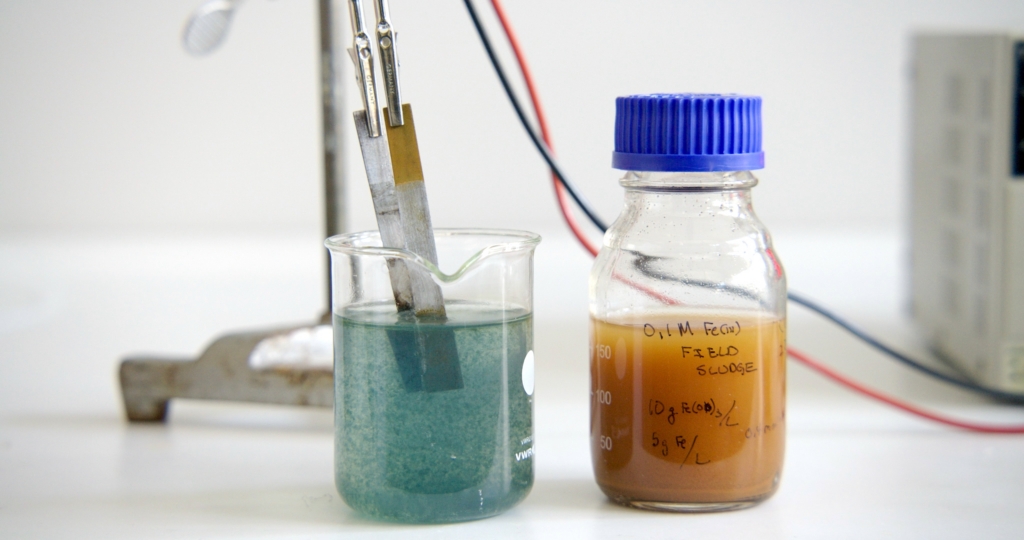
Earlier work by the researchers at Balder beamline laid the foundation for the recent results, from initial structural characterization of the arsenic-laden waste to tracking the arsenic extraction from the waste using different chemical extractants. The arsenic sludge samples for all studies, gathered with intent from sites in Europe, California USA, and India, span from a range of treatment facility capacities, arsenic removal mechanisms, and groundwater composition.
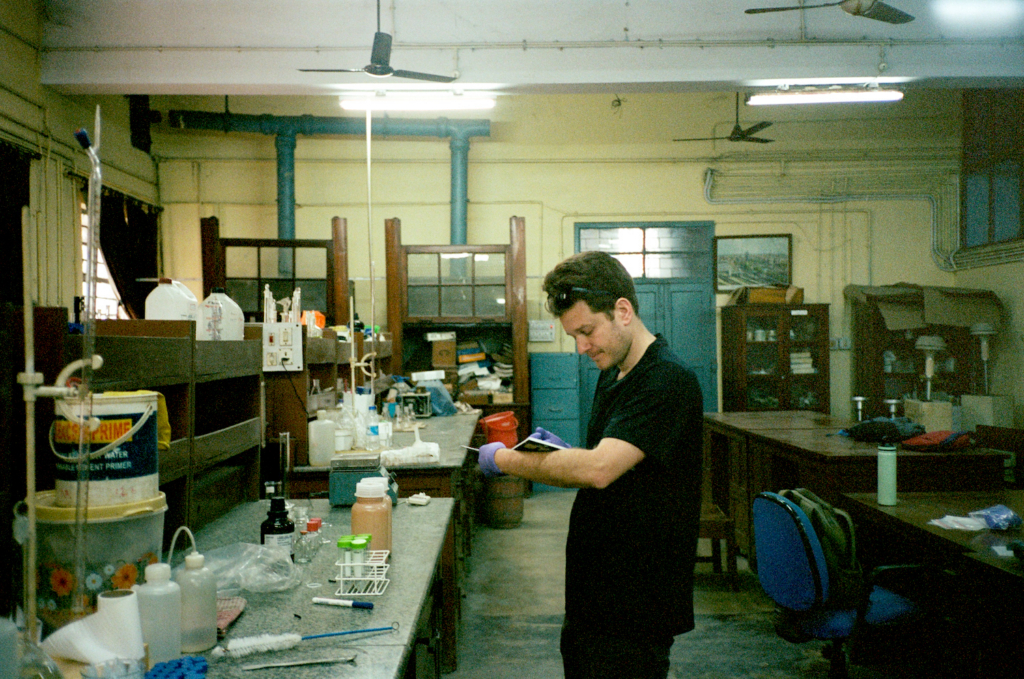
Watch the short documentary ‘King of Poison‘ and follow the research journey in India.
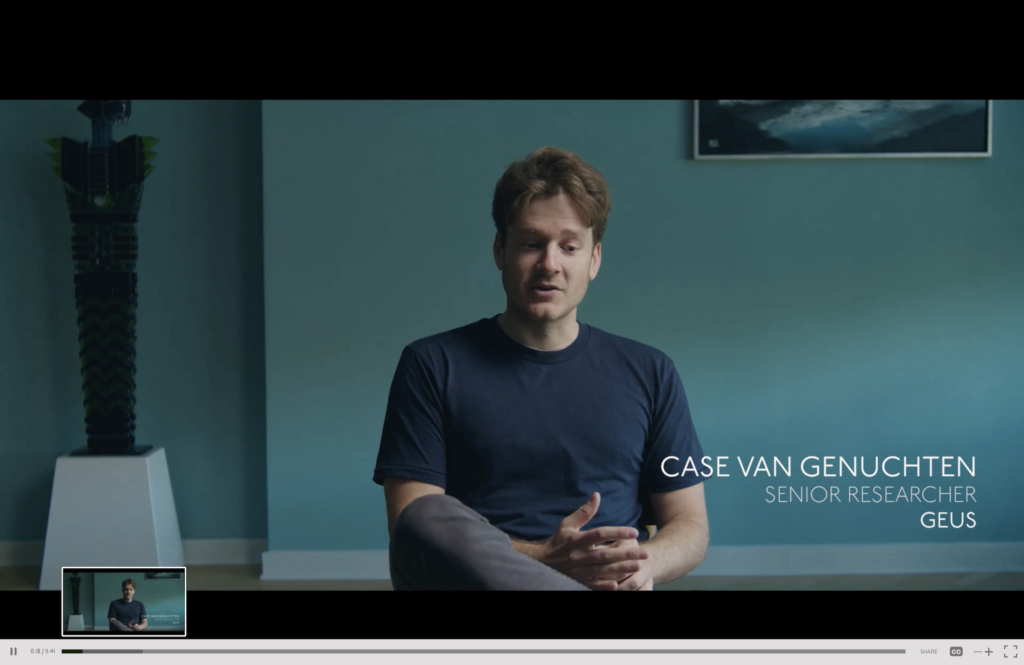
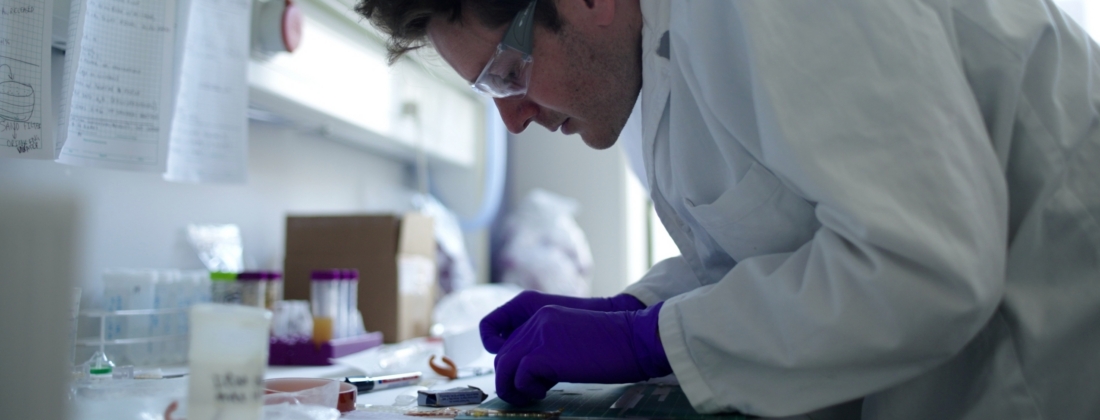
During their latest experiments at MAX IV, Wang and van Genuchten discovered something unexpected. “When we thought that we had figured how to produce metallic As(0) from the arsenic extracted from the solid waste, we went to Balder beamline to collect X-ray absorption spectroscopy (XAS) data to confirm this hypothesis,” explained Case van Genuchten. “It was a great moment. The fact that we made amorphous As(0) is really exciting to us because we think that the amorphous form can be even more valuable than the crystalline form because it might be more easy to convert to high-value advanced functional materials like arsenic-bearing semiconductors, which is the focus of our ongoing work.”
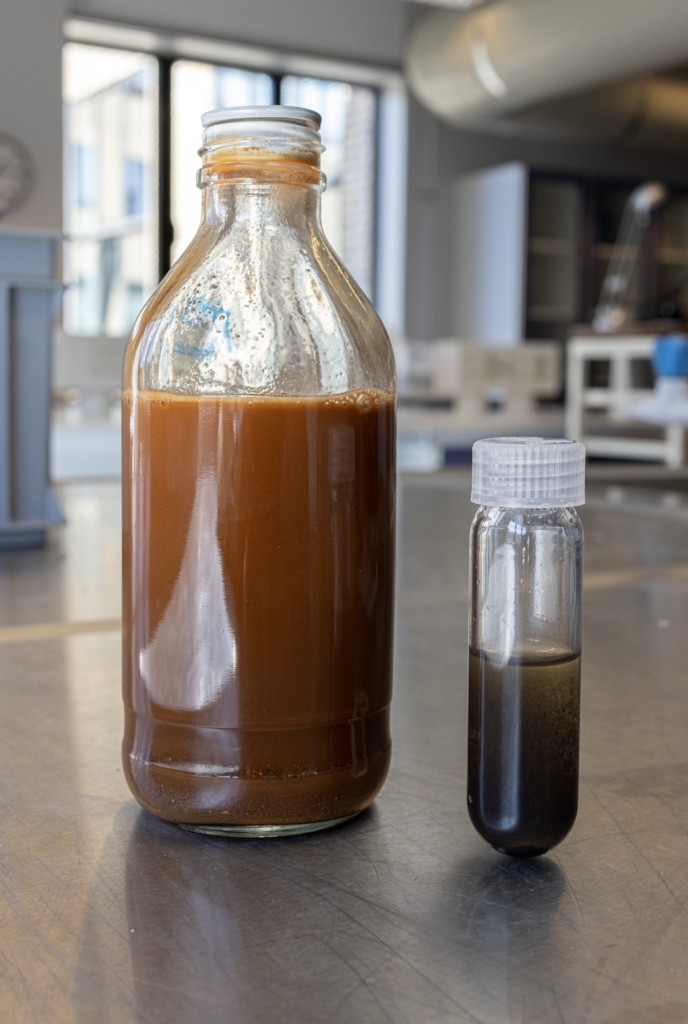
The resulting innovation for groundwater treatment is specifically found in the chemical method for converting the arsenic-laden iron oxide waste into metallic As(0). An advantage of the amorphous structure may be its convertibility into the 2-dimensional form of pure As(0), arsenene, according to van Genuchten. The amorphous form was compared with the crystalline form of arsenic, which is commercially available.
When burden becomes asset
From concept to experimentation, the next big step will be scaling the process for industrial-wide use in global communities. Coincidentally, regions with the most contamination of arsenic-laden groundwater stand to gain the most economically, given the financial returns of the extracted raw material remain with the communities at large.
But is the method ready for ‘prime time’? To realize this, the research group is actively working to pre-empt eventual hurdles to adoption of the method. “We know from our previous technology development work that we need to focus our research now on upscaling the waste conversion method and perform extended field trials to understand how the recovery and upcycling efficiencies change from small lab-scale systems to larger pilot systems in the field,” said van Genuchten.
The researchers are currently in the planning stage for ambitious trials, together with partners in the EU and abroad under an EU Water4All grant set to begin in March 2026. The goal: transform the upcycled arsenic to high-value semiconducting material, arsenene. Part of this work will be conducted at MAX IV’s FinEstBeAMS with scientist Weimin Wang. In future studies, the group plans to investigate arsenic in polluted soils and mining waste.
Each step towards better arsenic recovery and upcycling processes from waste offers greater economic and health benefits for society, and something more—the potential dampening of unsustainable industry practices today, including the generation of metallic arsenic by-product from mining and use of arsenic disposal methods such as landfilling or open disposal to surface water and soils.