The powerful imaging techniques available at synchrotrons like MAX IV can work in tandem with medical imaging, enabling clinicians to offer cutting-edge care to their patients.

The powerful imaging techniques available at synchrotrons like MAX IV can work in tandem with medical imaging, enabling clinicians to offer cutting-edge care to their patients.
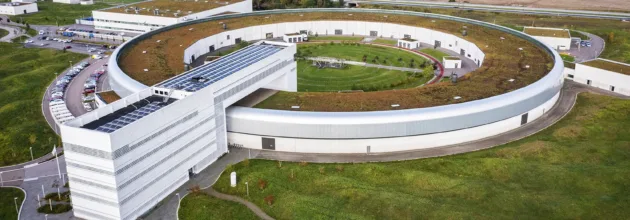
MAX IV is making significant societal contributions in terms of record-high scientific productivity. In 2023, the number of publications increased by 51% compared to the previous year, and the number of unique users increased by 31%. Moreover, the number of proposals submitted in the most recent Open Call was higher than ever.
After successfully bringing the first 16 funded beamlines into operation, we now look into the future. In collaboration with the Wallenberg Initiative Materials Science for Sustainability (WISE), funded by the Knut and Alice Wallenberg Foundation and together with the scientific community, MAX IV will develop the conceptual designs for three potential new materials science beamlines.